
President’s Report

As we leave late summer and journey into early autumn, it is encouraging to report that the 2025–26 Victorian honey season is shaping up as a significantly stronger one than last year. It is also promising that large areas of Victoria, and our friends in South Australia who have had three years of prolonged severe … Read more

Presidents Report: Stronger Than Fire, Stronger Together

On behalf of the Victorian Apiarists‘ Association, I acknowledge the Victorians impacted by recent bush-fires. Bushfires are an ongoing stress each summer and part of our beekeeping climate more than ever these days. To our fellow beekeepers, if you have been im-pacted by fires this summer, please reach out to us for assistance.In my region … Read more

Miticide Resistance And How To Avoid It

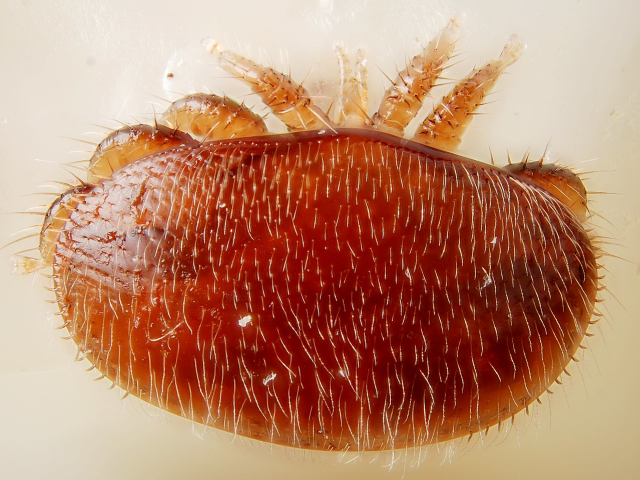
Extracts From The AHBIC January newsletter Do you know what miticide resistance is? Miticide resistance happens when some Varroa mites carry genetic traits that make them less likely to be killed by a specific chemical treatment. Within any mite population, there is natural variation — a few indi-viduals may, by chance, have genetic differences (e.g., … Read more

Letters

Jamie Trimby asks (in the February ABJ) whether a mite count of ―3 or less mites per 300 bees‖ (a 1% infestation) would be acceptable in a nuc for sale, and if not, whether oxalic acid would be an acceptable treatment. As Jamie suggests, consensus is hard to find, but here in the United States … Read more

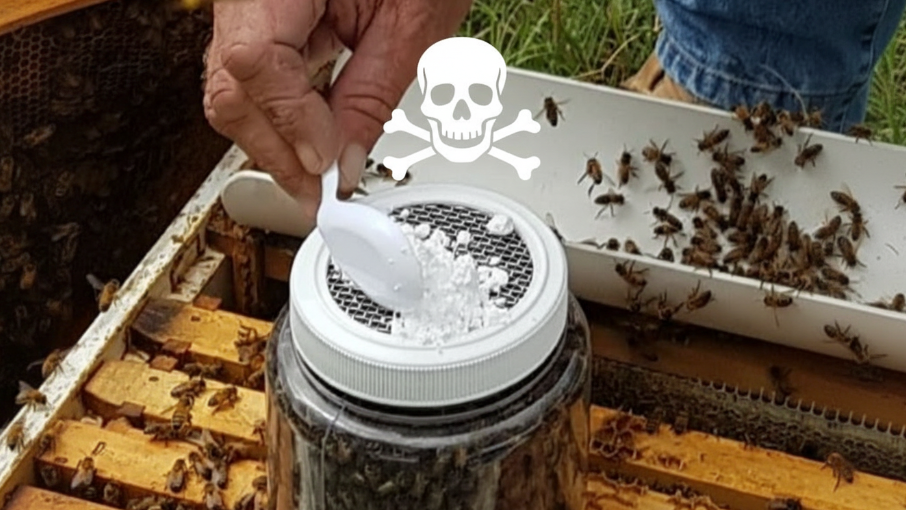
Let’s Stop Sugar Coating It: The Powdered Sugar Shake Is Not Harmless

By Mike Allerton The powdered sugar shake has been widely promoted as the gentler option for monitoring Varroa destructor, especially among hobbyist beekeepers who feel uneasy about killing a small sample of bees in an alcohol or soapy water wash. For years, the assumption has been that bees walk away unharmed after being dusted with … Read more

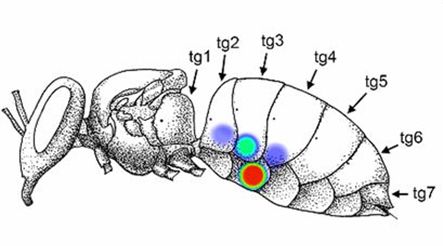
Fat Bodies and Vitellogenin

Fat Bodies and Vitellogenin By Kris Fricke             The cute animated video you’ve probably all seen during the national Varroa training sessions, other than having the bees’ hindwings in front of their forewings perpetuated another misconception by way of an almost imperceptible pause in the wrong place.  In saying “Varroa feeds one the bees fat  … Read more

Two Grams Good, Four Grams Better1

By Andrew Wootton We would all prefer to stick to the organic miticides. However, I’d like to discuss problems with the use of Api-Bioxal that limit its effectiveness. I’m not here to criticise the government (indeed, I’ve been proud to play my own small part in the varroa response and will continue doing everything I … Read more

Storm Clouds Gather

By Andrew Wootton With several varroa detections in metropolitan Melbourne and the Victorian varroa heat map looking like a Christmas pudding, we can safely assume that you either already have mites in your hive or will have this season.So it was encouraging to attend the Melbourne Section club meeting on the 29th January and see … Read more

Temperature and Hive Health

What temperature tells us about the health of a bee colony By Theotime Colin As beekeeping sensors become increasingly available and affordable, the pollination industry is eyeing the promise of a reduction of beekeeping costs and colony losses (https://www.tandfonline.com/doi/full/10.1080/00218839.2025.2552530) . Recent advances in our understanding of temperature regulation by bee colonies provide the first tangible … Read more